Ambiguity Aversion
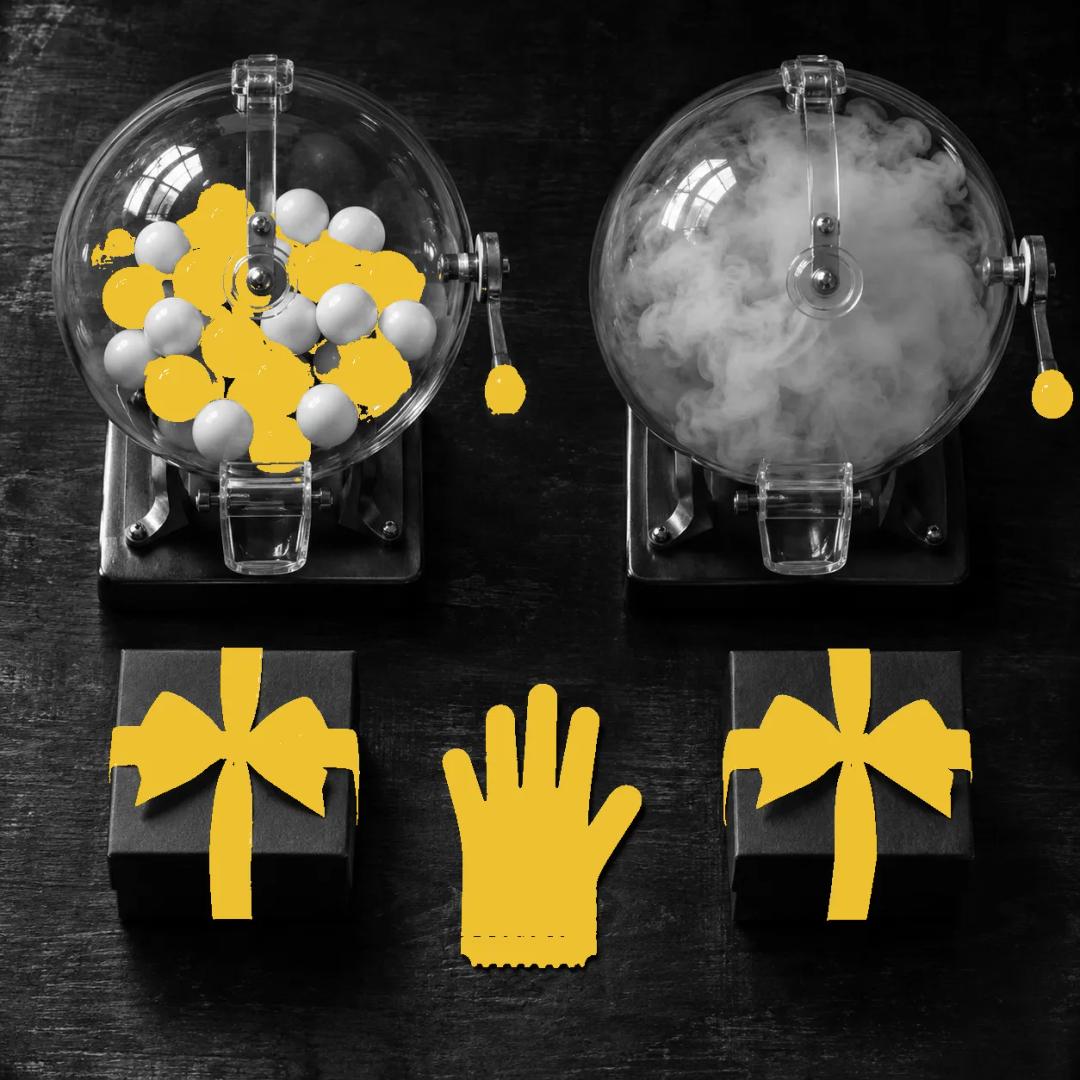
Preferring known odds to unknown odds, even when the prize is the same.
What it is
Daniel Ellsberg introduced urn problems in 1961 in which most people bet on an urn with a known mix of balls over one with an unknown mix. In the three-colour version the usual pair of choices cannot be matched by any single set of probabilities, as Machina and Siniscalchi's 2014 survey sets out.
In effect
In the article Better the Devil You Know, the urn problems open the case, followed by research on when the preference appears and how it relates to the way households hold their savings.
What it does not say
It is not a fixed preference that appears everywhere: Fox and Tversky found it largely absent when a vague prospect was judged alone, and Trautmann and colleagues found it disappeared when choices could stay private.
Sources
- Ellsberg, D. (1961). Risk, ambiguity, and the Savage axioms. The Quarterly Journal of Economics, 75(4), 643-669.
- Machina, M. J., & Siniscalchi, M. (2014). Ambiguity and ambiguity aversion. In Handbook of the Economics of Risk and Uncertainty, 729-807.
- Fox, C. R., & Tversky, A. (1995). Ambiguity aversion and comparative ignorance. The Quarterly Journal of Economics, 110(3), 585-603.
- Trautmann, S. T., Vieider, F. M., & Wakker, P. P. (2008). Causes of ambiguity aversion: Known versus unknown preferences. Journal of Risk and Uncertainty, 36(3), 225-243.
- Dimmock, S. G., Kouwenberg, R., Mitchell, O. S., & Peijnenburg, K. (2016). Ambiguity aversion and household portfolio choice puzzles: Empirical evidence. Journal of Financial Economics, 119(3), 559-577.
In these themes
- Risk and Uncertainty
How we judge the odds, and what we will pay to feel certain.