Baby Schema
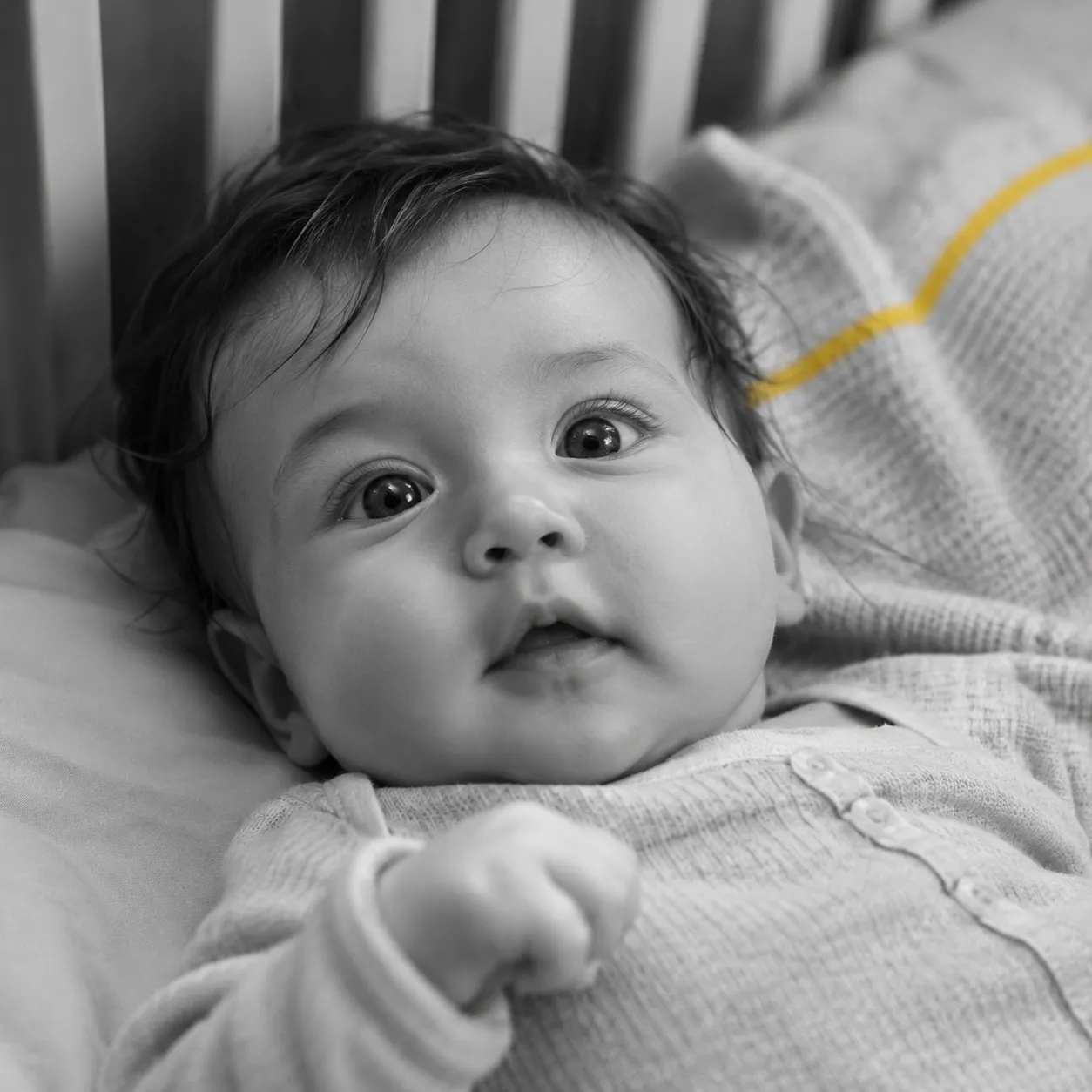
A set of infant-like features, such as a large head, large round eyes and a small nose, that look cute and draw care.
What it is
Konrad Lorenz proposed the idea. Melanie Glocker and colleagues manipulated these features in photographs of infant faces in 2009 and found that 122 undergraduates rated faces with more of them as cuter and felt a stronger motivation to care for them; a second study found the features activated a reward region of the brain. Marta Borgi and colleagues found in 2014 that the features shaped cuteness ratings and gaze in children aged three to six, for faces of dogs and cats as well as infants. Yuri Kawaguchi and Bridget Waller reviewed the concept in 2024 and noted that the term is used inconsistently and that its continuity across species is often assumed with little evidence.
In effect
In the article on the baby schema effect in marketing, the features are the design cues that make a product or character read as cute.
What it does not say
It does not say every cute design sells; the studies measured ratings, attention and care, and a recent review questions how the concept is used.
Sources
- Glocker, M. L., Langleben, D. D., Ruparel, K., Loughead, J. W., Gur, R. C., & Sachser, N. (2009). Baby schema in infant faces induces cuteness perception and motivation for caretaking in adults. Ethology, 115(3), 257-263.
- Glocker, M. L., Langleben, D. D., Ruparel, K., Loughead, J. W., Valdez, J. N., Griffin, M. D., Sachser, N., & Gur, R. C. (2009). Baby schema modulates the brain reward system in nulliparous women. Proceedings of the National Academy of Sciences, 106(22), 9115-9119.
- Borgi, M., Cogliati-Dezza, I., Brelsford, V., Meints, K., & Cirulli, F. (2014). Baby schema in human and animal faces induces cuteness perception and gaze allocation in children. Frontiers in Psychology, 5, 411.
- Kawaguchi, Y., & Waller, B. M. (2024). Lorenz's classic 'baby schema': a useful biological concept? Proceedings of the Royal Society B, 291(2025), 20240570.
- Fetell Lee, I. Joyful.