Belief-Adjustment Model
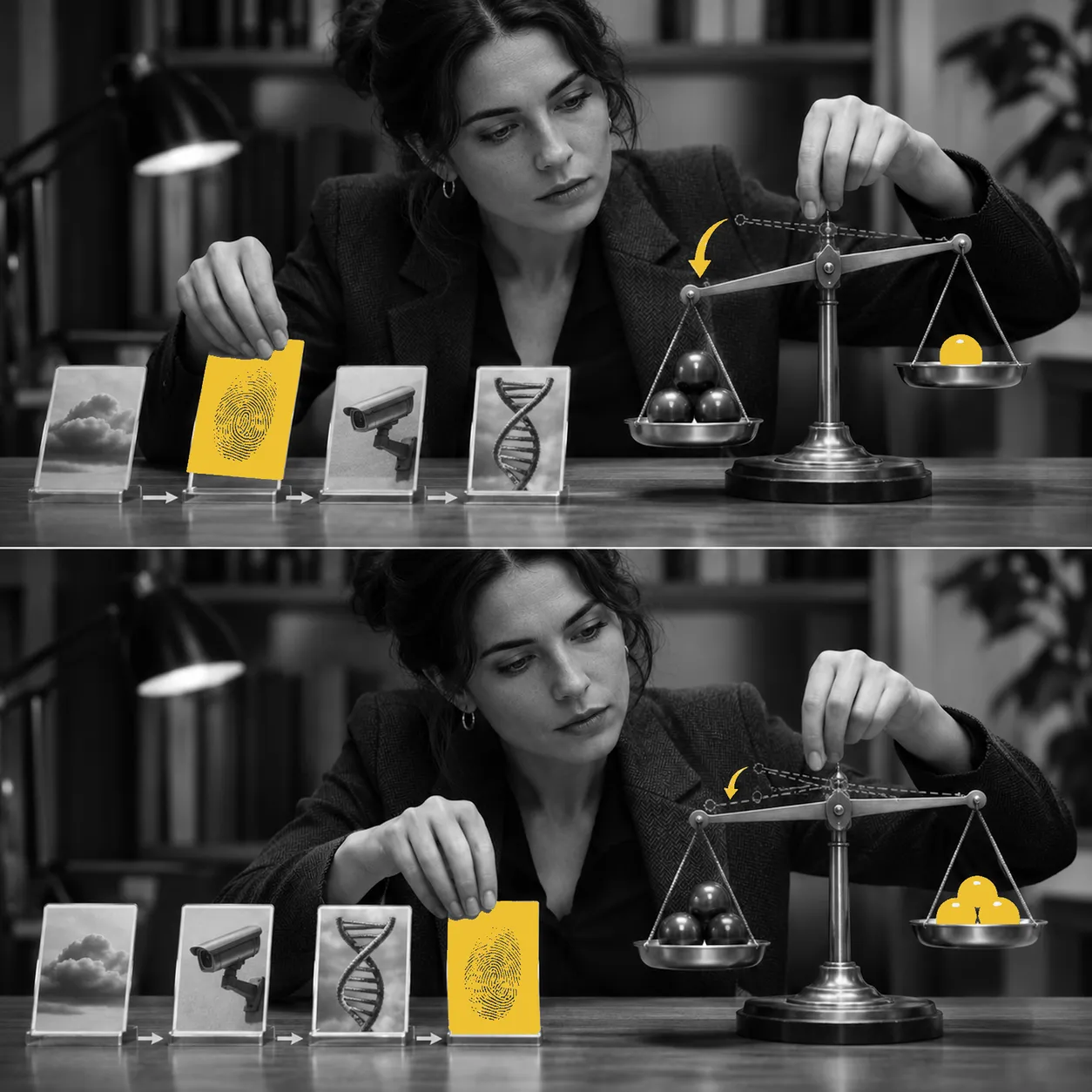
A model of how people revise a judgment as evidence arrives in sequence, which predicts recency effects in complex judgments.
What it is
The model holds that each new piece of evidence adjusts the current belief, so the order of evidence shapes the final verdict. Arnold and colleagues tested its prediction that recency appears in complex domains whatever a person's experience, using heavy information load in two experiments with experienced accountants and insolvency practitioners, and found that experience did not reduce order and recency bias.
In effect
In the article on recency bias, it explains why expertise alone did not remove the tilt toward the latest evidence.
What it does not say
It concerns judgments built from a sequence of evidence. It does not say that recency cannot be reduced; a self-review step removed it in another study of auditors.
Sources
- Arnold, V., Collier, P. A., Leech, S. A., & Sutton, S. G. (2000). The effect of experience and complexity on order and recency bias in decision making by professional accountants. Accounting & Finance, 40(2), 109-134.