Consumer Minimalism
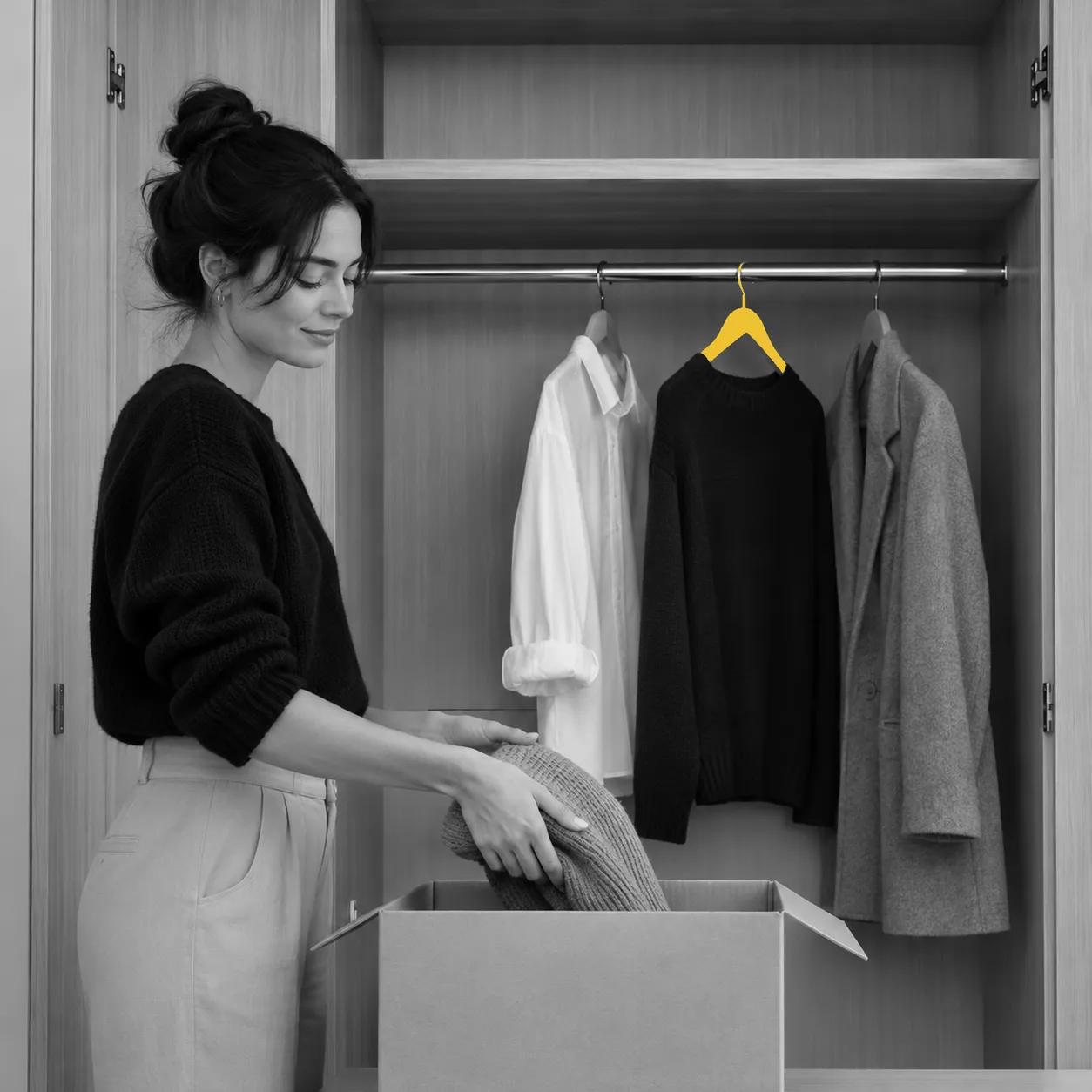
A preference for owning, buying and displaying less.
What it is
Research approaches it in three ways: as a design taste, in the early modernist case for plain houses; as a lifestyle, in a 1981 index of voluntary simplicity; and as a personal value, linked in a 2025 survey to environmentally responsible behaviour.
In effect
In the article on why minimalism is so appealing, the three readings trace how the idea travelled from architecture to everyday buying.
What it does not say
The survey evidence is correlational, and preferring less is not shown to make anyone happier.
Sources
- Leonard-Barton, D. (1981). Voluntary simplicity lifestyles and energy conservation. Journal of Consumer Research, 8(3), 243.
- Gelibolu, M., & Mouloudj, K. (2025). Exploring the effect of minimalism on ethical consumer behavior: A value-identity-personal norm theory approach. Administrative Sciences, 15(9), 330.
- de Botton, A. The Architecture of Happiness.
In these themes
- Money and Happiness
What spending can and cannot do for how we feel.