Curiosity Headline
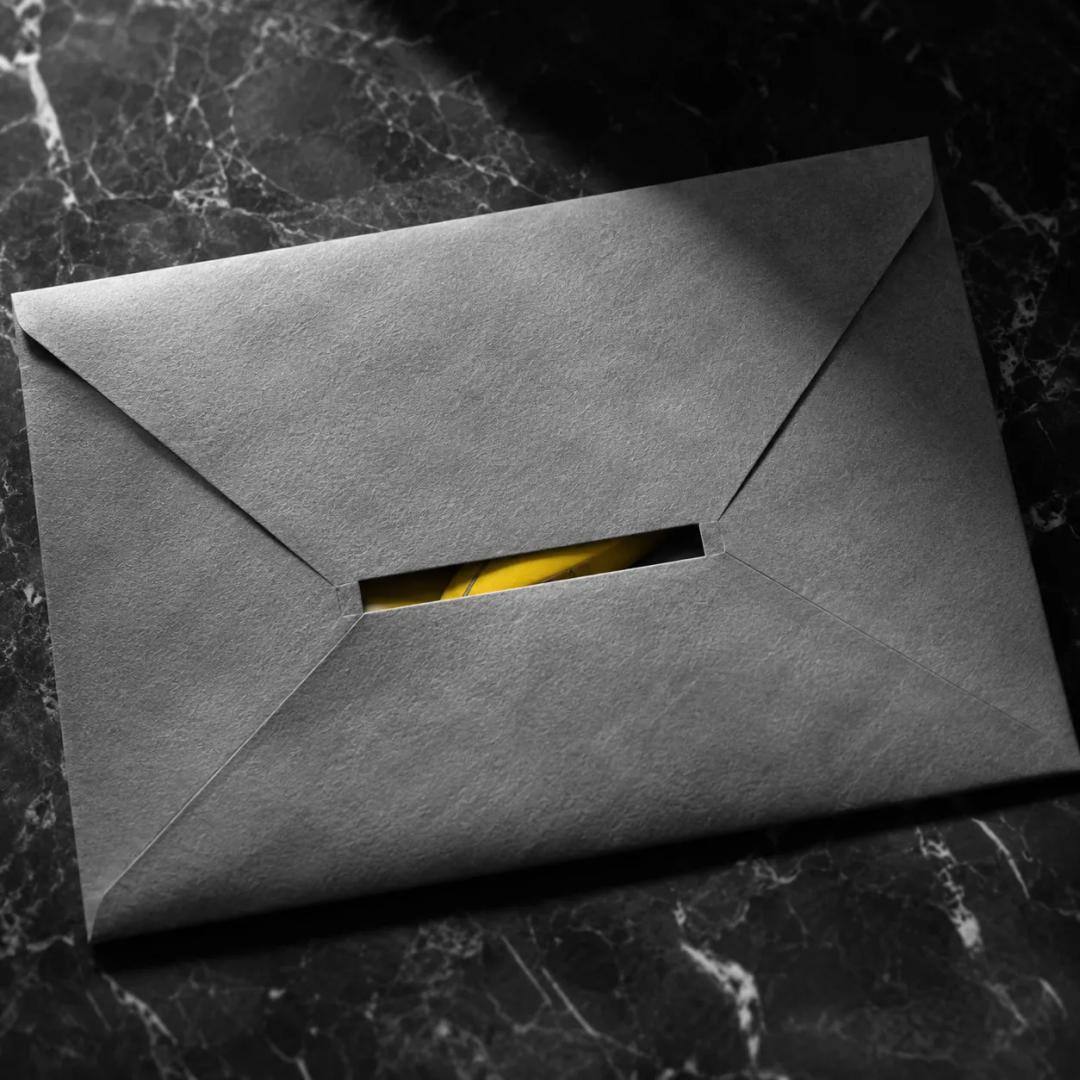
A headline that raises a question or an odd claim the reader cannot resolve without reading on.
What it is
A curiosity headline opens a gap between what the reader knows and what the reader wants to know, the condition George Loewenstein described in 1994 as the source of curiosity. Ian Leslie discusses this kind of pull in Curious. Qiu and Golman reported in 2024, from more than 100,000 news articles on one online platform, that readers clicked more when a headline raised a salient question, when the content looked important and when the topic was surprising.
In effect
In the article on the gap that makes you click, the curiosity headline is the device being examined: a line built to hold back the answer.
What it does not say
It does not say curiosity headlines always win. Scacco and Muddiman reported in 2020 that plain summary headlines did better on several measures in a laboratory experiment and a field test on local news sites.
Sources
- Loewenstein, G. (1994). The psychology of curiosity: A review and reinterpretation. Psychological Bulletin, 116(1), 75-98.
- Qiu, J., & Golman, R. (2024). Curiosity in news consumption. Applied Cognitive Psychology, 38(2), e4195.
- Scacco, J. M., & Muddiman, A. (2020). The curiosity effect: Information seeking in the contemporary news environment. New Media & Society, 22(3), 429-448.
- Leslie, I. Curious: The Desire to Know and Why Your Future Depends on It.
In these themes
- Advertising and Storytelling
How messages win attention, stay in memory, and why stories hold us.