Event Rehearsal
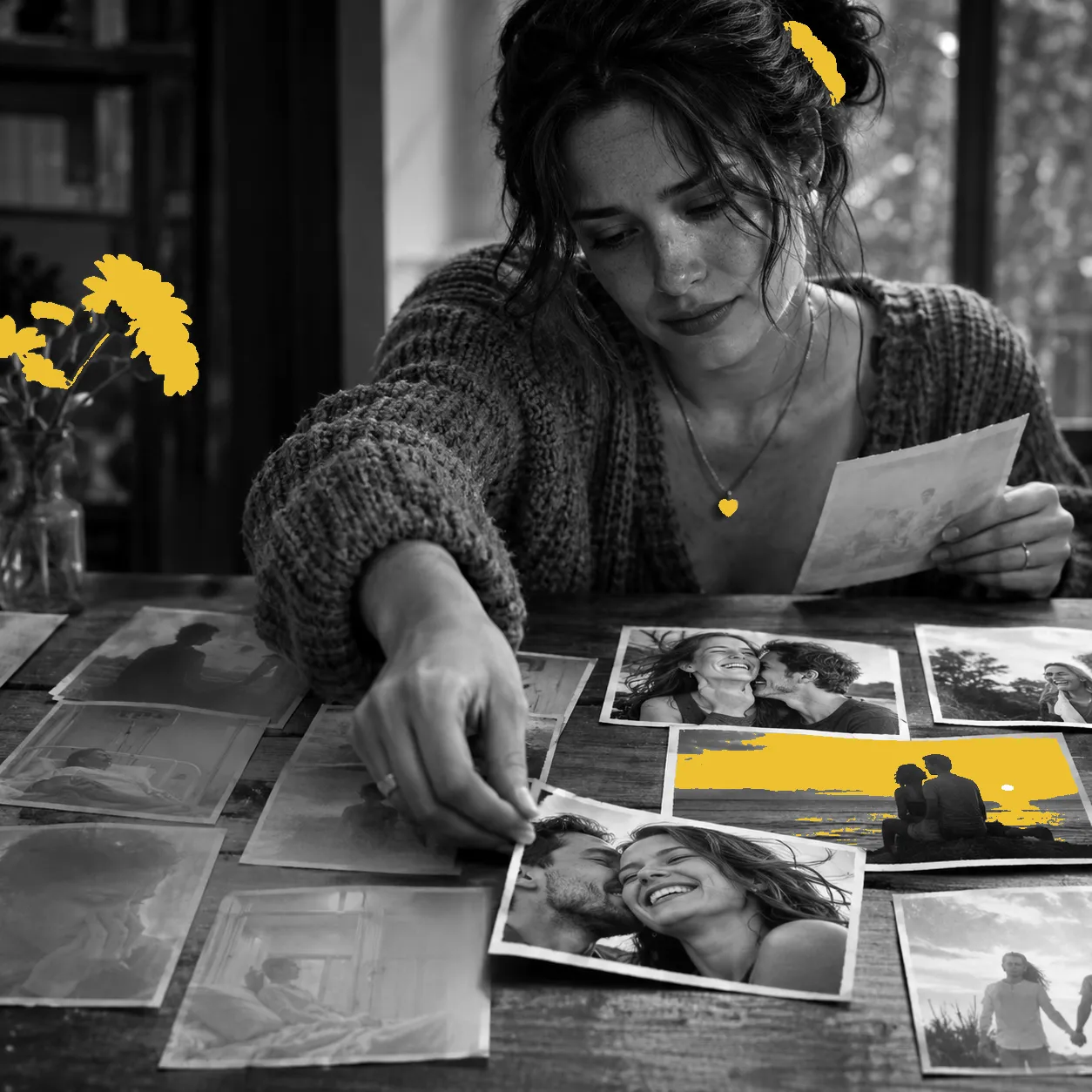
Returning to an event by telling others or thinking it over, which goes with a stronger fading affect bias.
What it is
Ritchie and colleagues reported in 2006 that the fading affect bias was especially strong for rehearsed events, particularly when rehearsal meant telling others or privately savouring or working through an event, and absent for several other forms of private rehearsal. Skowronski and colleagues found in 2004 that frequently disclosed memories showed a stronger bias, and Gibbons and Rollins reported in 2021 that rehearsal mediated the bias in young and older adults.
In effect
In the article on why bad memories fade faster, rehearsal is the step that turns a general tendency into something people do: talking events over.
What it does not say
It does not mean any kind of dwelling on an event helps; several forms of private rehearsal showed no link.
Sources
- Ritchie, T. D., Skowronski, J. J., Wood, S. E., Walker, W. R., Vogl, R. J., & Gibbons, J. A. (2006). Event self-importance, event rehearsal, and the fading affect bias in autobiographical memory. Self and Identity, 5(2), 172-195.
- Skowronski, J. J., Gibbons, J. A., Vogl, R. J., & Walker, W. R. (2004). The effect of social disclosure on the intensity of affect provoked by autobiographical memories. Self and Identity, 3(4), 285-309.
- Gibbons, J. A., & Rollins, L. (2021). Rehearsal and event age predict the fading affect bias across young adults and elderly in self-defining and everyday autobiographical memories. Experimental Aging Research, 47(3), 232-261.