Intergroup Schadenfreude
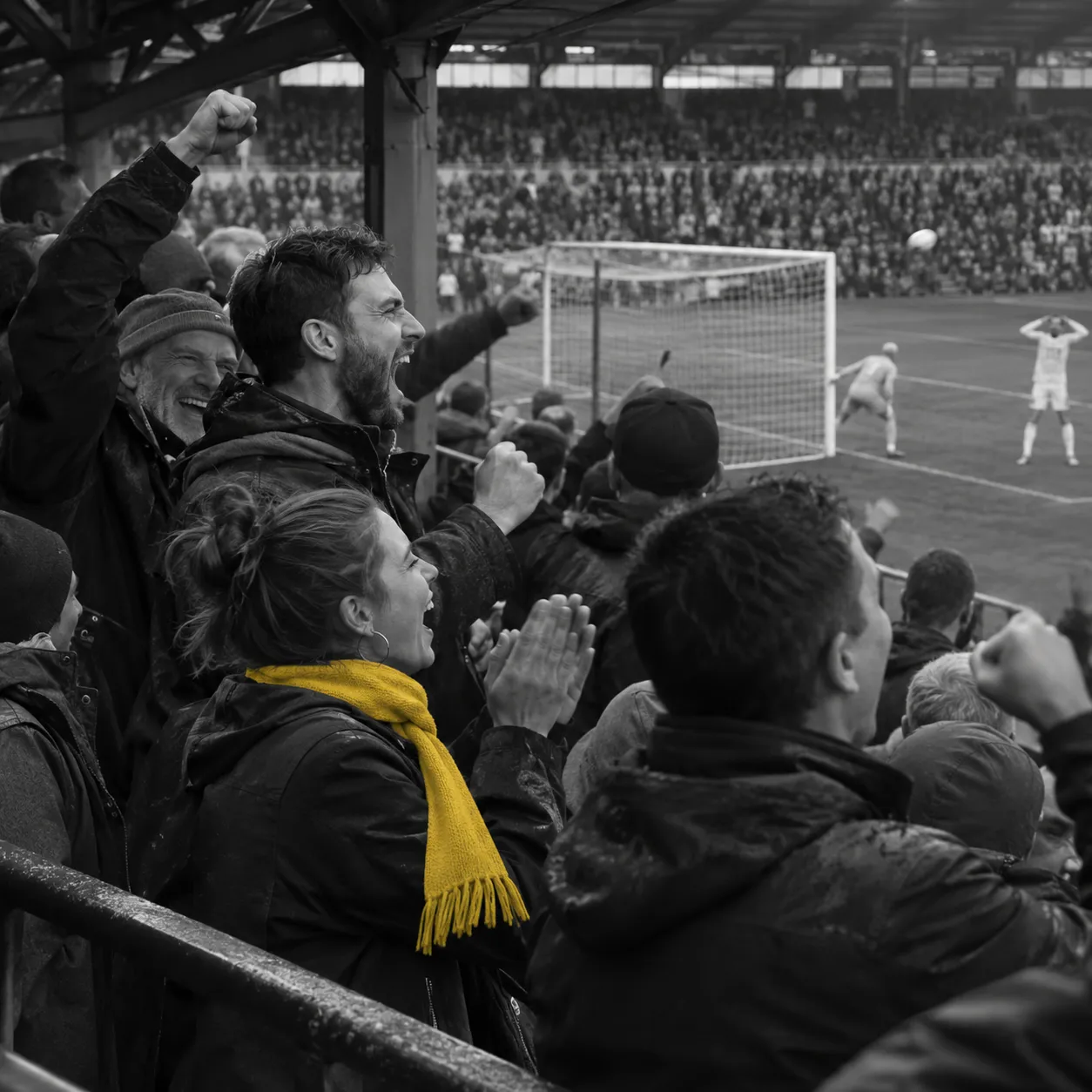
Pleasure at the misfortune of another group, such as a rival team.
What it is
Colin Wayne Leach, Russell Spears, Nyla Branscombe and Bertjan Doosje reported in 2003 that pleasure at a rival side's loss rose with interest in the sport and with threats to the standing of one's own group. Leach and Spears found in 2008 that the pleasure was best explained by pain about the inferiority of one's own group. Mina Cikara, Matthew Botvinick and Susan Fiske found in 2011 that, among committed fans, a rival's failure activated a brain region linked to reward.
In effect
In the article on why people feel schadenfreude, the group version shows the pleasure tracks standing: a rival's stumble restores some of our own side's rank.
What it does not say
It does not describe all fans or all groups; the studies measured particular rivalries and the people most invested in them.
Sources
- Leach, C. W., Spears, R., Branscombe, N. R., & Doosje, B. (2003). Malicious pleasure: Schadenfreude at the suffering of another group. Journal of Personality and Social Psychology, 84(5), 932-943.
- Leach, C. W., & Spears, R. (2008). A vengefulness of the impotent: The pain of in-group inferiority and schadenfreude toward successful out-groups. Journal of Personality and Social Psychology, 95(6), 1383-1396.
- Cikara, M., Botvinick, M. M., & Fiske, S. T. (2011). Us versus them: Social identity shapes neural responses to intergroup competition and harm. Psychological Science, 22(3), 306-313.