Mental Models of Sequence Sources
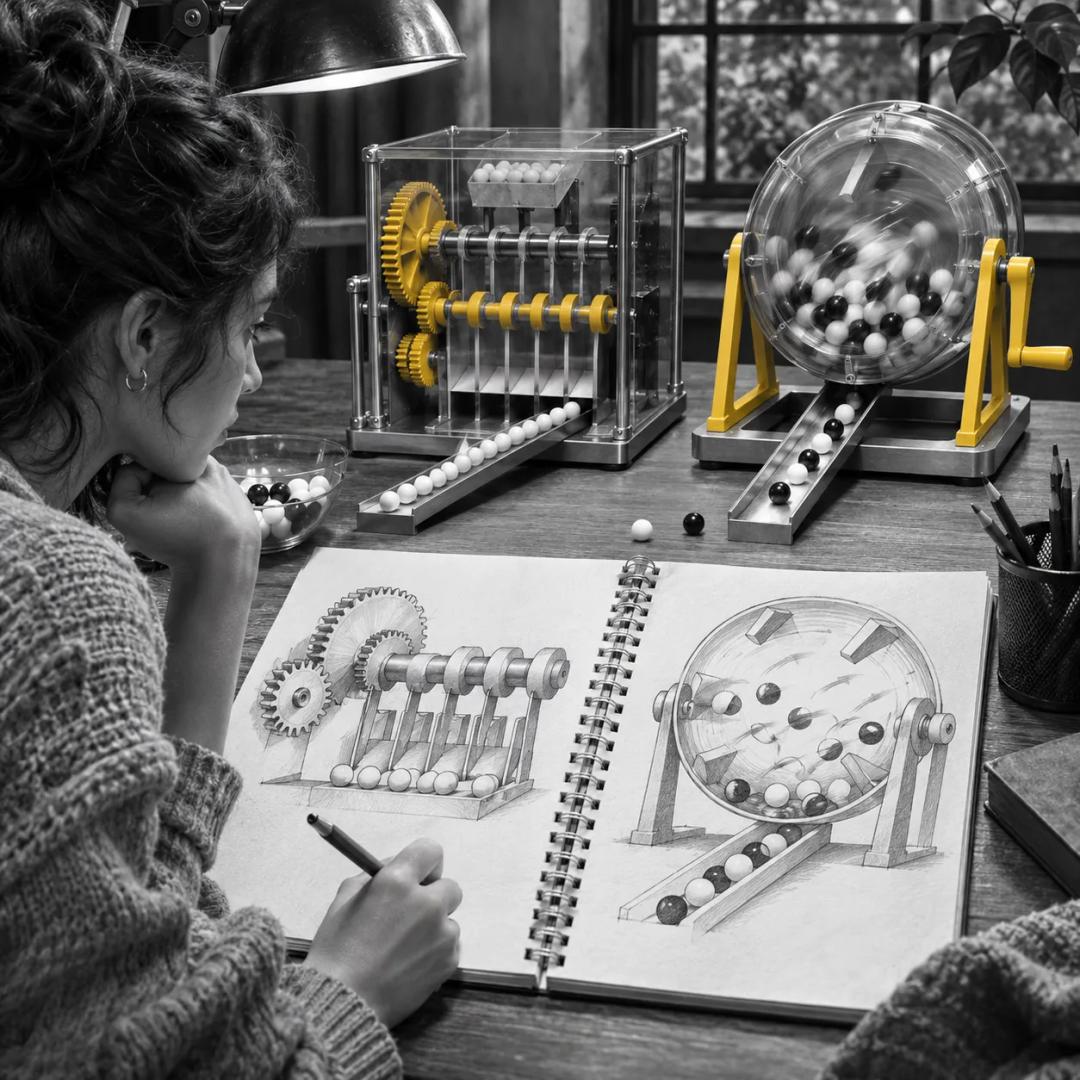
People's naive pictures of what generates a sequence, and the expectations they draw from them.
What it is
Oskarsson, Van Boven, McClelland and Hastie reviewed research on judging sequences of two-outcome events in 2009 and argued that people often predict from a model of the source, with features such as how random it seems, whether it acts with intent, how much control it offers and how complex its goal is. Rao and Hastie reported in 2023, from six experiments, that the expectation of a streak reversal grew stronger as a streak lengthened, and proposed that gambler's fallacy and hot-hand beliefs arise from such models joined to prior beliefs about how often each outcome occurs.
In effect
In the article on why a run of reds feels due for black, mental models explain why the same streak can feel due to end on a wheel and due to continue in a player.
What it does not say
It does not say one model fits every source; the studies found predictions varied with the mechanism people thought they were watching.
Sources
- Oskarsson, A. T., Van Boven, L., McClelland, G. H., & Hastie, R. (2009). What's next? Judging sequences of binary events. Psychological Bulletin, 135(2), 262-285.
- Rao, K., & Hastie, R. (2023). Predicting Outcomes in a Sequence of Binary Events: Belief Updating and Gambler's Fallacy Reasoning. Cognitive Science, 47(1), e13211.