Need for Status
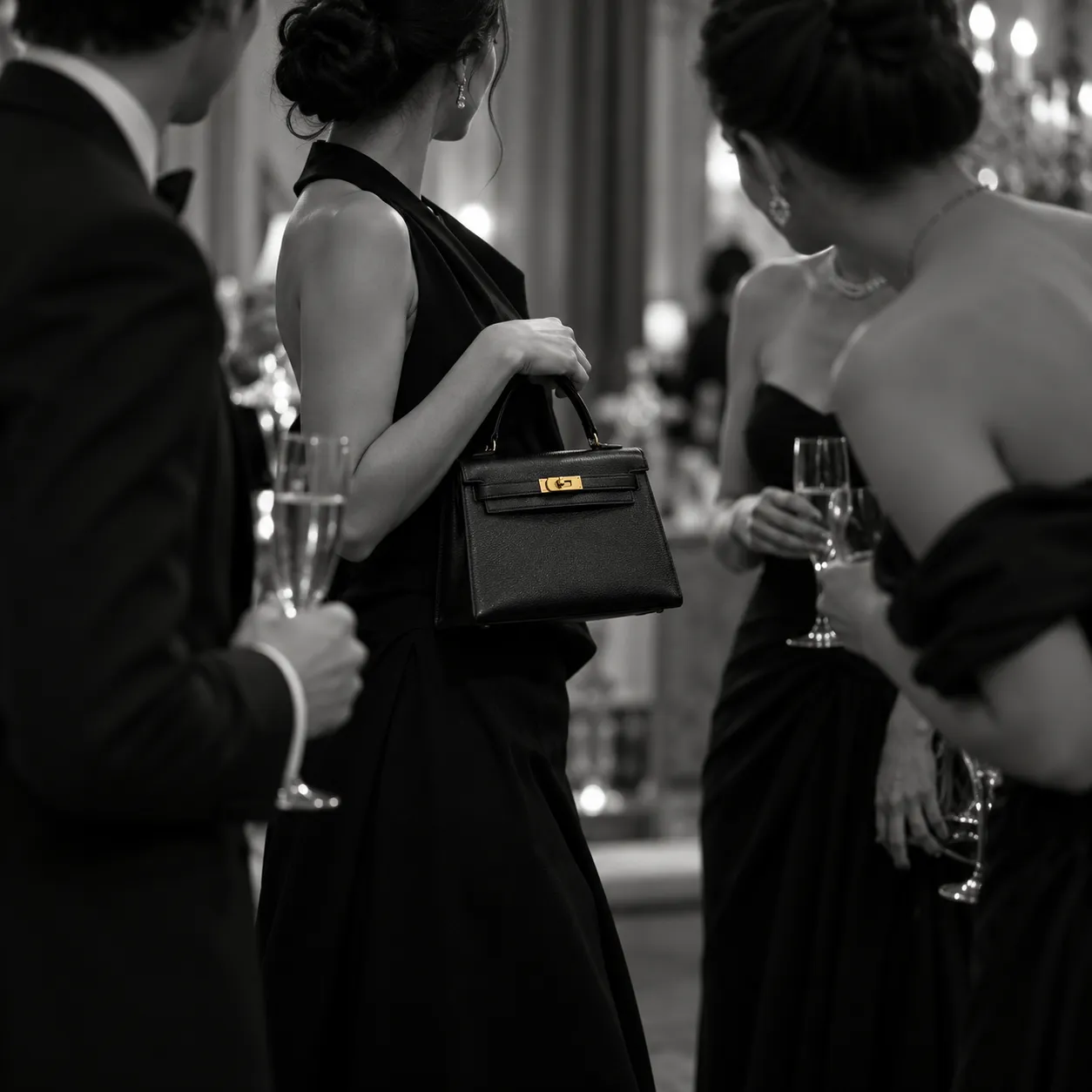
Need for status is a consumer's disposition to seek status through what they buy and display. In a 2016 study of luxury hotels it separated the guests who rated a hotel lower after learning of discount-website promotions from the guests who did not. It is the individual-difference half of the luxury house's case against the markdown.
What it is
The study used need for status as a moderating variable, a measure of how much a person cares about status as a motive in consumption. The authors drew on status consumption theory, the line of work that treats some purchases as signals of standing, and asked how it bears on a practical question: whether price promotions work for luxury hotels.
The origin of the measure is not established on this page. What the page can report is how the study used it.
In effect
Wan Yang, Lu Zhang and Anna Mattila reported in Cornell Hospitality Quarterly in 2016 that consumers high in need for status viewed the hotel less favourably, and were less likely to return, after learning the hotel would run promotions through discount websites. Consumers low in need for status were not affected. The authors suggested that luxury hotels attracting high-need guests may be harmed by this channel.
The study begins from a commercial fact: online discount websites are a growing channel for luxury hotels, and the literature offered little guidance on whether promotions work for them.
The article Why Luxury Brands Hold Their Prices uses the result for the third part of the house's case, that the buyers who matter most are the ones who mind.
What it does not say
It does not say discounting reduces bookings. The outcomes were attitudes and intentions to return, and the abstract does not report design or sample size.
It does not say status-seeking guests will leave. It says they rated the hotel lower and were less likely to say they would return.
It does not generalise beyond hotels. A handbag, a watch and a hotel room differ in how visible they are to other people, and visibility is the heart of status consumption.
The paper was read here at the level of its published abstract.
Why the study measured what it did
The authors chose attitudes and intentions to return as outcomes, and that choice shapes what can be said. Attitudes toward a hotel are a step before behaviour. They can be measured by asking, in a setting where no one has to pay or return. A study that followed bookings would need access to a hotel's records over time and a way to separate guests who learned of a promotion from those who did not. The abstract reports neither the design nor the sample, so this page cannot say which approach the authors took in detail.
The moderator is where the study earns its place in the luxury argument. A general finding that promotions lower attitudes would be easy to dismiss, since promotions are meant to attract bargain-seekers who have little stake in prestige. The finding that the effect appears among guests high in need for status, and not among guests low in it, points at the group a luxury hotel most wants to keep.
Need for status and the other motives
Need for status is one motive among several that move buyers of expensive things. A buyer may want quality, craftsmanship or a feeling of reward, none of which depends on what others think. The study treats need for status as a difference between guests, not as a property of the hotel, which is why the same promotion could leave one guest unmoved and lower another's view.
This is also why the concept does not predict a general rule. A hotel whose guests are mostly low in need for status has less to lose, on this account, from selling through discount websites. The study does not tell a hotel how to find out which kind of guests it has. It says only that the answer matters, and that the hotels most reliant on status-minded guests are the ones the finding concerns.
What a hotel could take from it
The study does not hand a hotel a policy. It gives a question to ask before using a discount channel: how many of our guests are high in need for status, and what do they think of the hotel when they see it there? A hotel that cannot answer is guessing. A hotel that can answer has a reason to weigh the channel's reach against the view of its most status-minded guests, whose attitudes and intentions to return were the ones that moved in the study.
Reading it beside the other studies
The article sets this study in a table with five others. Of the six, it is the one that asks about how consumers of a luxury service feel about promotions, which gives it weight. It also has thin reported detail, since only the abstract was read, and its outcomes are attitudes and intentions, not purchases. The sensible reading is that it agrees in direction with the promotion-signalling and long-run promotion work, and that none of the three is a test of what a luxury house loses by marking down.
Sources
- Yang, W., Zhang, L., & Mattila, A. S. (2016). 'Luxe for Less: How Do Consumers React to Luxury Hotel Price Promotions? The Moderating Role of Consumers' Need for Status.' Cornell Hospitality Quarterly, 57(1), 82-92. doi:10.1177/1938965515580133