Pay-Per-Use Bias
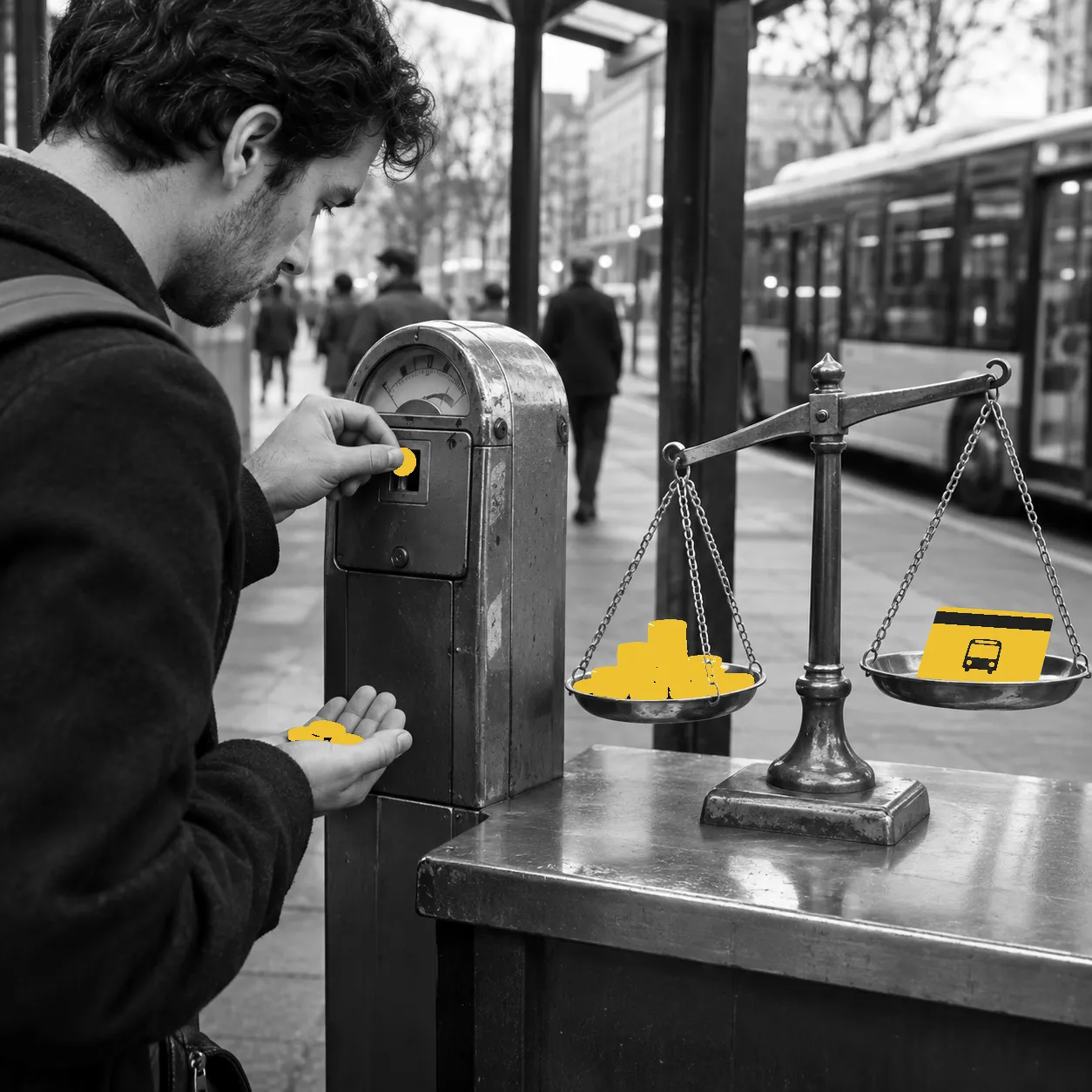
The tendency to choose a pay-per-use tariff even when a flat rate would cost less.
What it is
Pay-per-use bias is the mirror image of flat-rate bias. Lambrecht and Skiera reported in 2006, from four analyses across three datasets, that it was less common and less persistent than flat-rate bias, and they linked it largely to customers underestimating how much they would use a service. Dowling, Stich and Spann reported causal evidence from an incentive-compatible experiment that overconfident consumers underestimate their usage and choose pay-per-use relatively more often.
In effect
In the article on the taxi meter effect, pay-per-use bias is the other way to pick the wrong plan, and the comparison shows why the two errors have different causes.
What it does not say
It does not say pay-per-use is usually the wrong choice; the studies describe how often and why people misjudge their own usage.
Sources
- Lambrecht, A., & Skiera, B. (2006). Paying too much and being happy about it: Existence, causes, and consequences of tariff-choice biases. Journal of Marketing Research, 43(2), 212-223.
- Dowling, K., Stich, L., & Spann, M. (2021). An experimental analysis of overconfidence in tariff choice. Review of Managerial Science, 15(8), 2275-2297.
In these themes
- Subscriptions and Memberships
Why we sign up, why we stay, and why we pay for things we do not use.