Popularity Signs
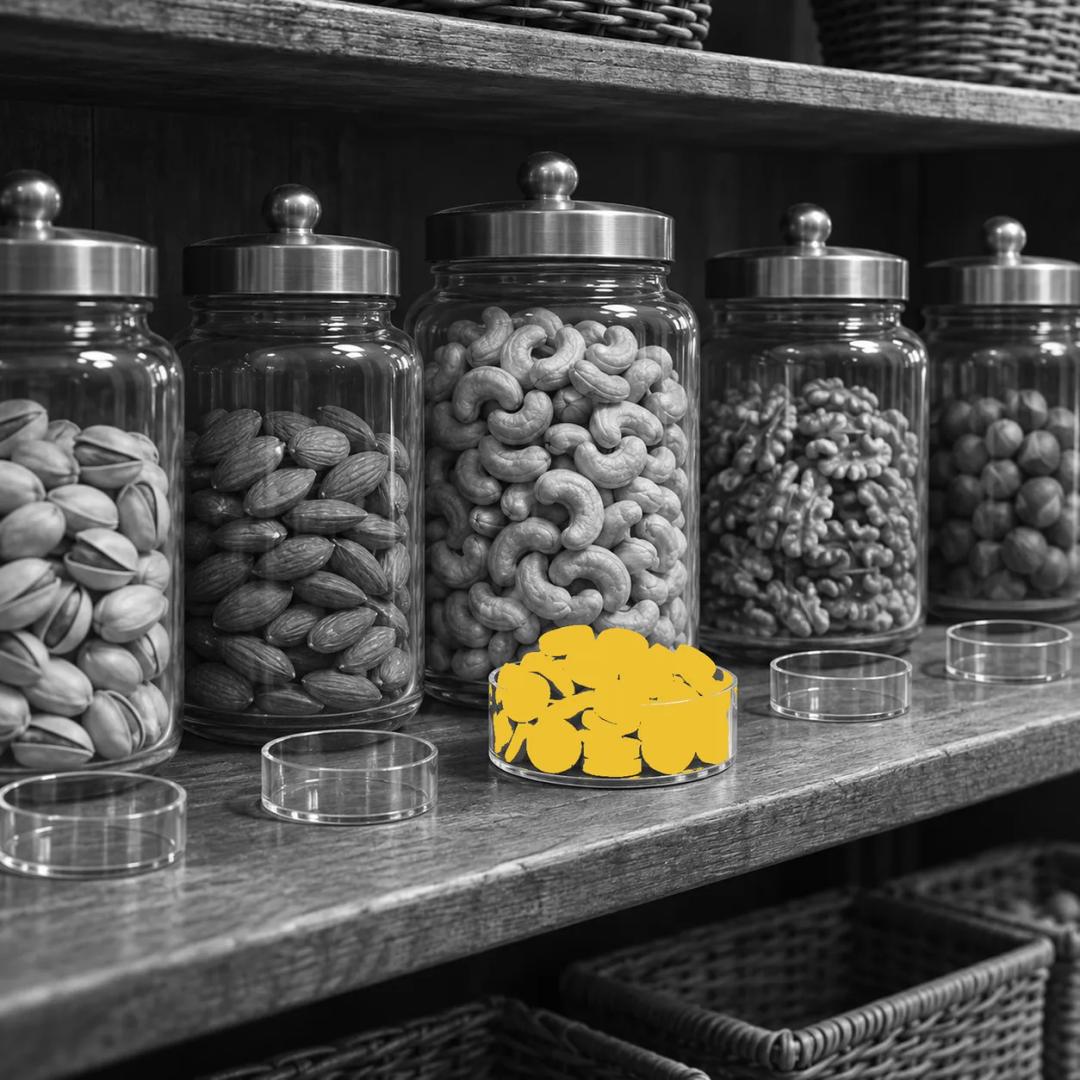
Labels such as most popular, best seller or top rated that tell a buyer what other buyers have chosen.
What it is
In a randomised restaurant trial, showing diners the ranking of the five most popular dishes raised demand for them by 13 to 20 per cent, and a study of seven experiments found the signs made decisions more complex for consumers with a prevention focus. It is drawn from work by Hongbin Cai, Yuyu Chen and Hanming Fang (restaurant field experiment) (2009).
In effect
In the article on why we order the most popular dish, it serves as the label on a menu.
What it does not say
Results differ by setting and by shopper. The restaurant trial found a lift in demand and a later set of experiments found that the signs made decisions harder for some consumers, so it does not say that a label always helps.
Sources
- Cai, H., Chen, Y., & Fang, H. (2009). Observational learning: Evidence from a randomized natural field experiment. American Economic Review, 99(3), 864-882.
- Tucker, C., & Zhang, J. (2011). How does popularity information affect choices? A field experiment. Management Science, 57(5), 828-842.
- Ghiassaleh, A., Kocher, B., & Czellar, S. (2020). Best seller!? Unintended negative consequences of popularity signs on consumer choice behavior. International Journal of Research in Marketing, 37(4), 805-820.