Private Label
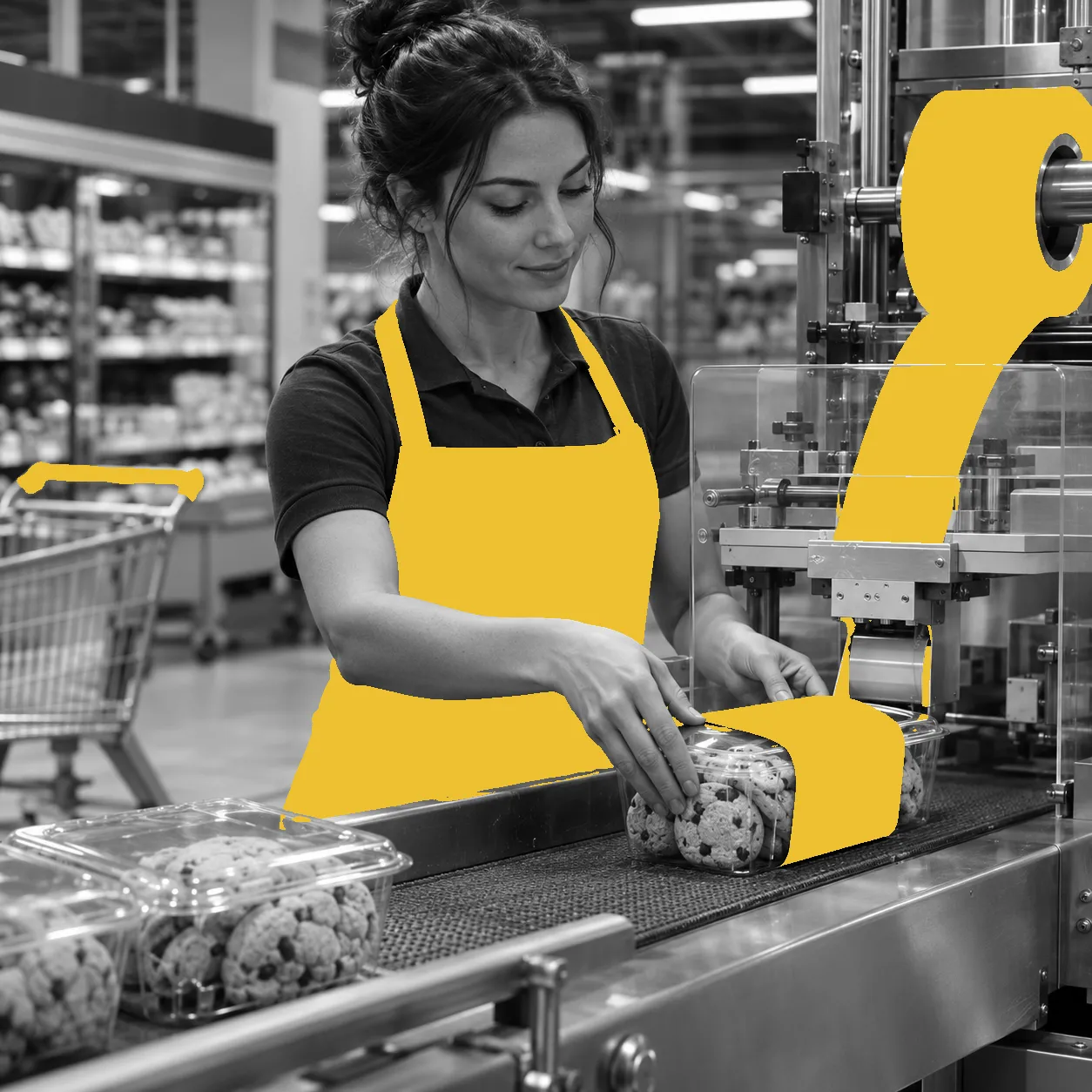
A retailer's own brand, sold under the store's name or a name it controls.
What it is
Private labels, also called store brands or own labels, are products a retailer designs or sources and sells under its own brand. Steenkamp, van Heerde and Geyskens reported in 2010, from a survey of 22,623 respondents in 23 countries, that willingness to pay a premium for national brands works through perceived quality and value and declines as private labels mature. Lamey, Deleersnyder, Dekimpe and Steenkamp found in 2007 that private-label share rises in economic contractions and falls in expansions, with a slower return to national brands in recovery.
In effect
In the article on store brands, private label is the product category whose appeal is explained through quality cues, price, trust in the retailer and the economic cycle.
What it does not say
It does not say store brands are always cheaper or always lower in quality; how buyers judge them varies with category, experience and trust.
Sources
- Steenkamp, J.-B. E. M., van Heerde, H. J., & Geyskens, I. (2010). What makes consumers willing to pay a price premium for national brands over private labels? Journal of Marketing Research, 47(6), 1011-1024.
- Lamey, L., Deleersnyder, B., Dekimpe, M. G., & Steenkamp, J.-B. E. M. (2007). How business cycles contribute to private-label success: Evidence from the United States and Europe. Journal of Marketing, 71(1), 1-15.
- Sarantidou, P. P. (2018). Store brand adoption and penetration explained by trust. Spanish Journal of Marketing - ESIC, 22(3), 359-376.
- Glynn, M. S., & Chen, S. (2009). Consumer-factors moderating private label brand success: further empirical results. International Journal of Retail & Distribution Management, 37(11), 896-914.
- Sharp, B. How Brands Grow.