Protein Halo
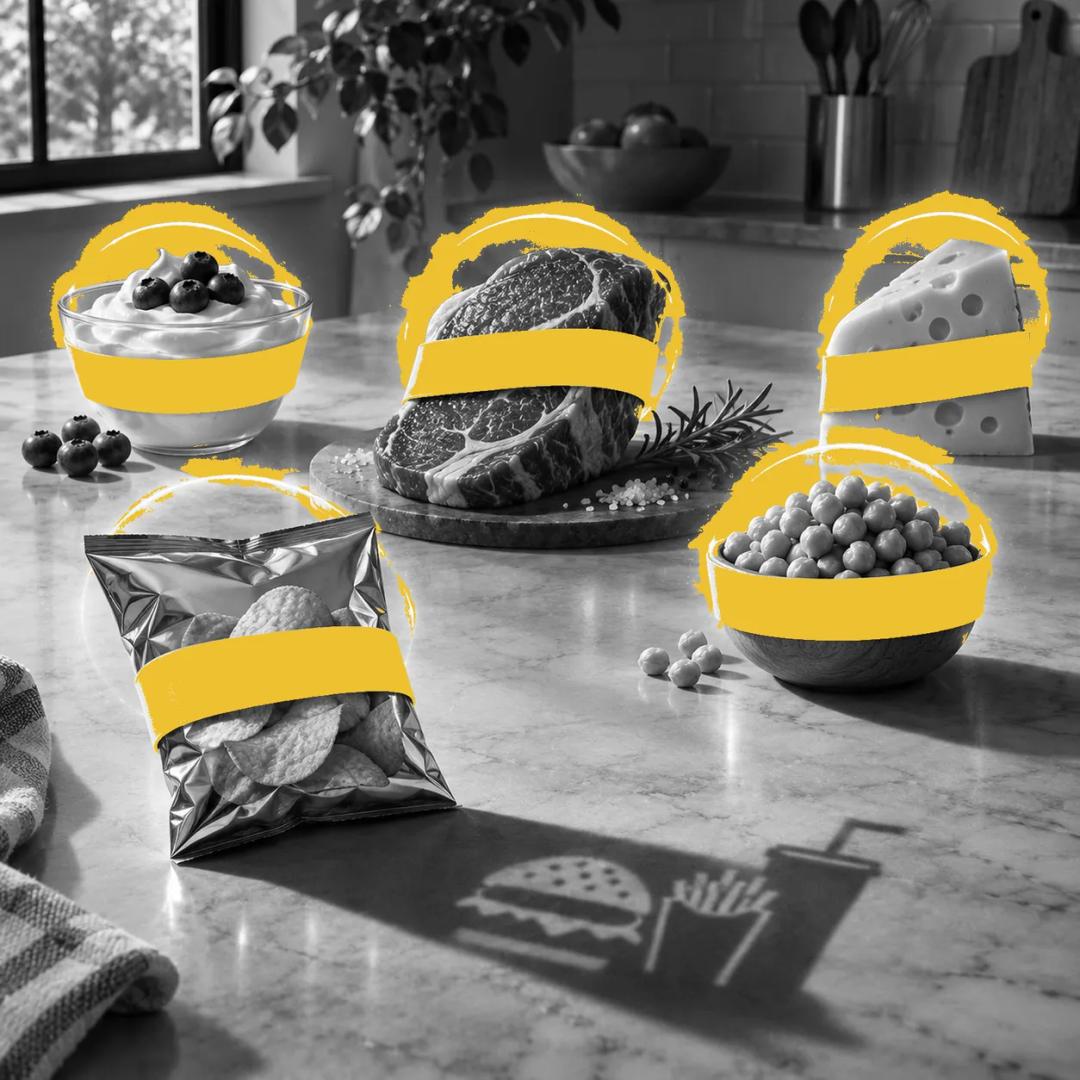
The way a protein cue on a product can make the whole product read as better than the cue itself supports.
What it is
Adding protein to a product can make the whole item read as healthier than the protein supports. In a protein bar experiment with 274 participants, Fernan, Schuldt and Niederdeppe found that a nutrient word in the product title raised perceived healthfulness, while the same information as a front claim raised only perceived protein content. A 2026 online experiment with 218 participants found no general halo from a high-protein label.
In effect
The article on why high protein sells everything uses it for the difference between what a label states and what a shopper infers.
What it does not say
The two experiments point in different directions, so the halo is not a fixed property of the word. It says nothing about whether any product is better or worse for anyone.
Sources
- Fernan, C., Schuldt, J. P., & Niederdeppe, J. (2018). Health halo effects from product titles and nutrient content claims in the context of protein bars. Health Communication, 33(12), 1425-1433.
- Capuano, C., Durand, F., & Besson, T. (2026). Halo or horn? The role of prior attitudes in shaping consumer responses to high-protein food labels. Food Quality and Preference, 148, 106095.