Reverse Inference
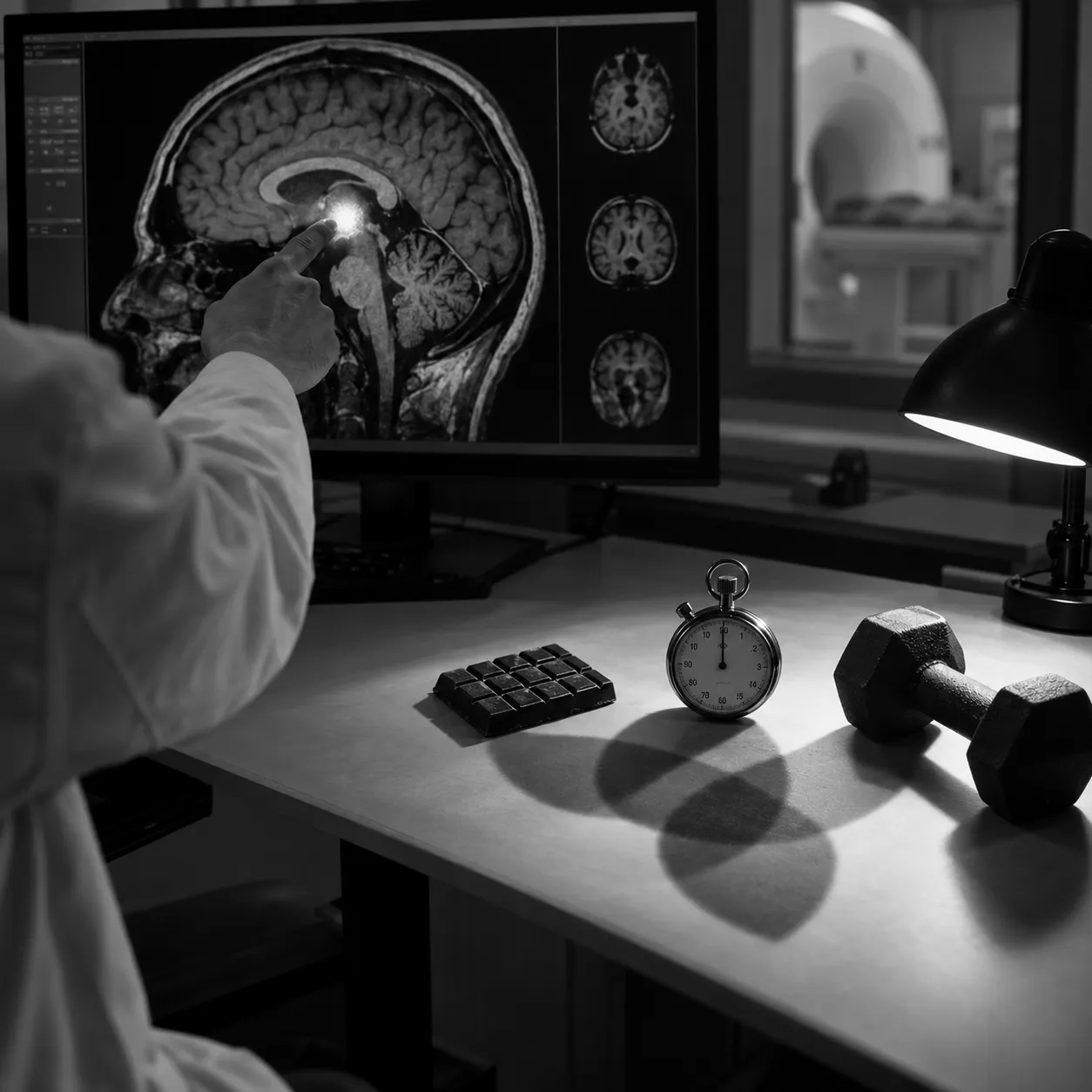
Reverse inference is reading a mental state off brain activity: seeing a region light up and concluding that a particular feeling or thought is happening. Because most brain regions do many things, it is a weak form of evidence, and imaging researchers treat it with caution.
What it is
A brain scan normally runs in a forward direction. You give people a task and measure which regions become more active. Reverse inference runs the other way: it observes activity in a region and assigns it a single meaning. The nucleus accumbens, for example, is involved in reward, motivation and attention, so increased activity there does not by itself show craving.
The point was set out for a wide audience by Russell Poldrack in 2006, who argued that such inferences are only as strong as the region is specific to the process in question, and most regions are not very specific.
In effect
Claims in popular marketing books that a product or advert produced craving, love or trust because a particular region lit up should be read as interpretations, not findings. Behavioural measures, such as what people choose or do afterwards, are the better test.
The cigarette warning case shows why. A brain-scan claim that warnings stimulated craving was contradicted by published studies that measured craving and quit attempts directly.
What it does not say
It does not say brain imaging is useless. Forward inferences, from a known task to a measured response, are sound, and imaging can add to behavioural evidence.
It does not say every reverse inference is wrong, only that it needs support beyond the activity of one region.
Sources
- Poldrack, R. A. (2006). "Can cognitive processes be inferred from neuroimaging data?" Trends in Cognitive Sciences, 10(2), 59-63.
- This publication's reliability audit of Buyology, which applies the distinction to the book's own study.