Rhyme-as-Reason Effect
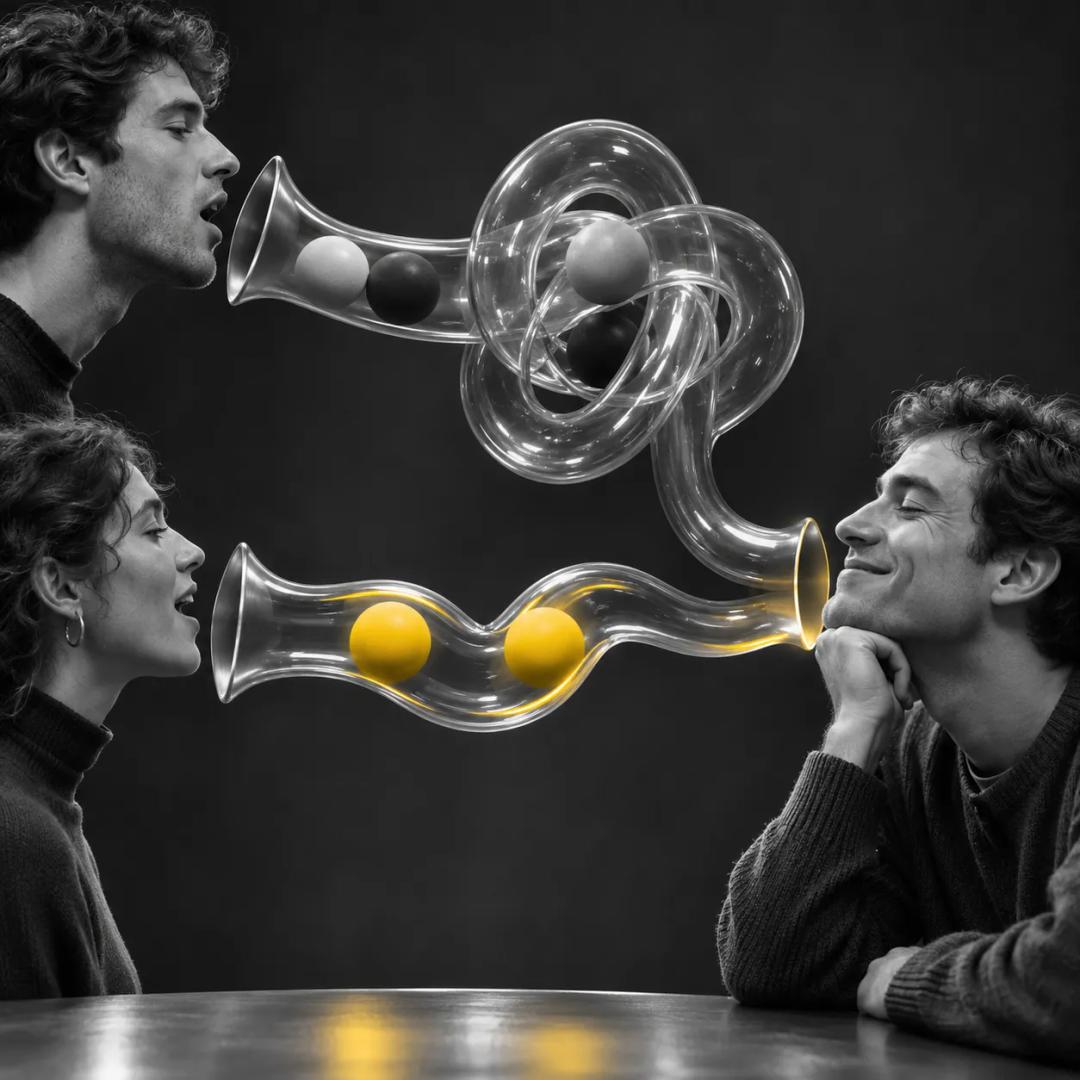
The tendency for rhyming statements to be judged more accurate than non-rhyming statements with the same meaning.
What it is
McGlone and Tofighbakhsh reported in 2000 that unfamiliar sayings were rated more accurate in their original rhyming form than in a same-meaning version that did not rhyme, and tied the advantage to processing fluency; it shrank when participants were cautioned to separate a saying's poetic qualities from its content. Filkuková and Klempe reported in 2013, from three experiments, that rhyming newly created slogans were preferred and rated more likeable, memorable and trustworthy.
In effect
In the article on why slogans that rhyme sound true, the rhyme-as-reason effect is the core finding: the form of a line changes the verdict on its content.
What it does not say
It does not say rhyme makes any claim believed; the effect was measured on unfamiliar sayings and new slogans, and a simple caution reduced it.
Sources
- McGlone, M. S., & Tofighbakhsh, J. (2000). Birds of a feather flock conjointly (?): Rhyme as reason in aphorisms. Psychological Science, 11(5), 424-428.
- Filkuková, P., & Klempe, S. H. (2013). Rhyme as reason in commercial and social advertising. Scandinavian Journal of Psychology, 54(5), 423-431.
- Reber, R., & Schwarz, N. (1999). Effects of perceptual fluency on judgments of truth. Consciousness and Cognition, 8(3), 338-342.