Schadenfreude
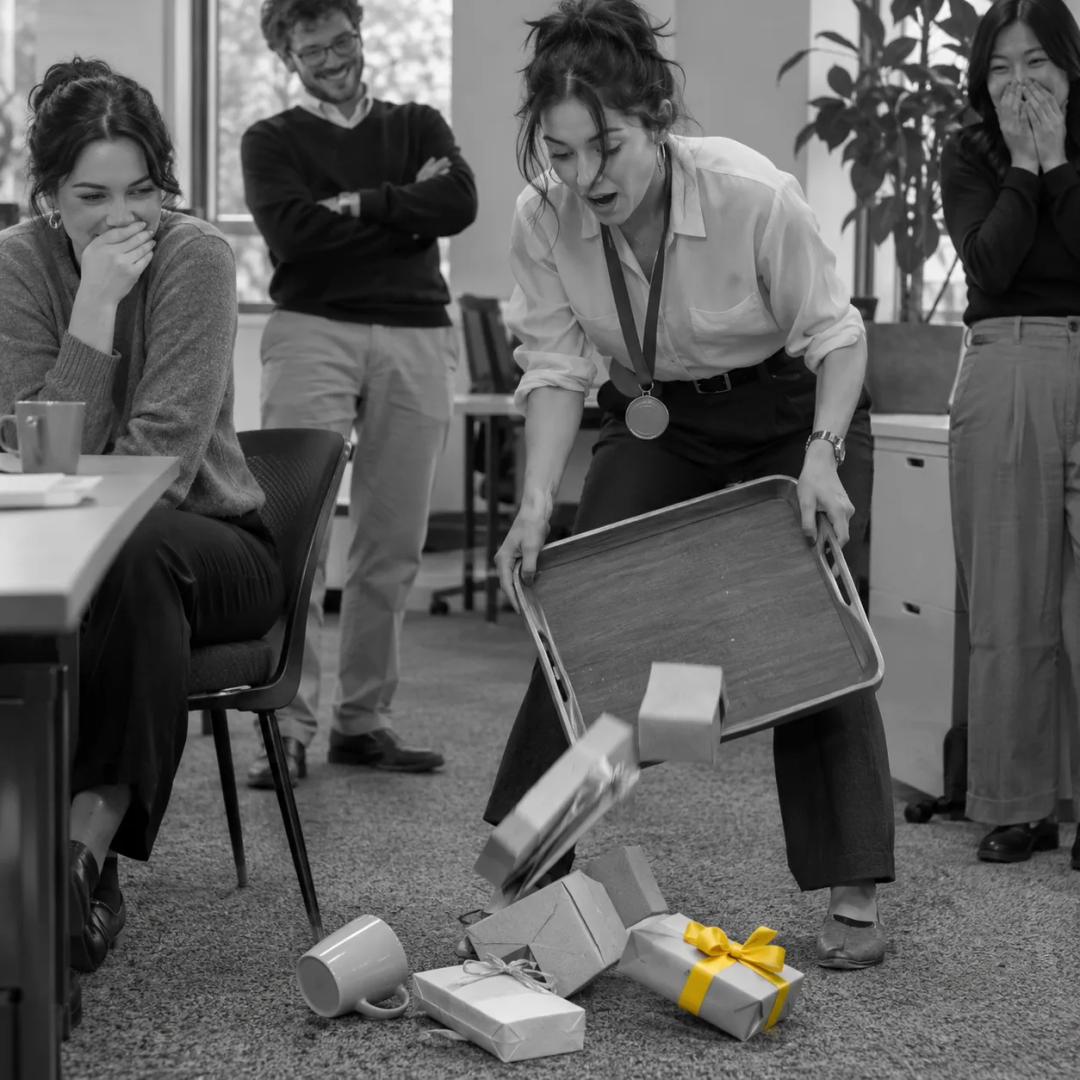
Pleasure at another person's misfortune.
What it is
Research links it to comparison and standing. Wilco van Dijk and colleagues found in 2006 that envy predicted the pleasure only when the person who suffered was similar to the observer. Niels van de Ven and colleagues separated two kinds of envy in 2015 and found that malicious envy, but not benign envy, was related to the pleasure in samples from two countries. Hidehiko Takahashi and colleagues reported in 2009 that brain regions linked to reward responded more strongly when envied people met misfortune.
In effect
In the article on why people feel schadenfreude, the pleasure is tied to rank: it is strongest when someone who stood above us, or above our group, slips.
What it does not say
It does not say people wish harm on others; most of the studies measured reported feelings about misfortunes that had already happened.
Sources
- van Dijk, W. W., Ouwerkerk, J. W., Goslinga, S., Nieweg, M., & Gallucci, M. (2006). When people fall from grace: Reconsidering the role of envy in schadenfreude. Emotion, 6(1), 156-160.
- van de Ven, N., Hoogland, C. E., Smith, R. H., van Dijk, W. W., Breugelmans, S. M., & Zeelenberg, M. (2015). When envy leads to schadenfreude. Cognition and Emotion, 29(6), 1007-1025.
- Takahashi, H., Kato, M., Matsuura, M., Mobbs, D., Suhara, T., & Okubo, Y. (2009). When your gain is my pain and your pain is my gain: Neural correlates of envy and schadenfreude. Science, 323(5916), 937-939.
- Storr, W. The Status Game.