Social Referencing
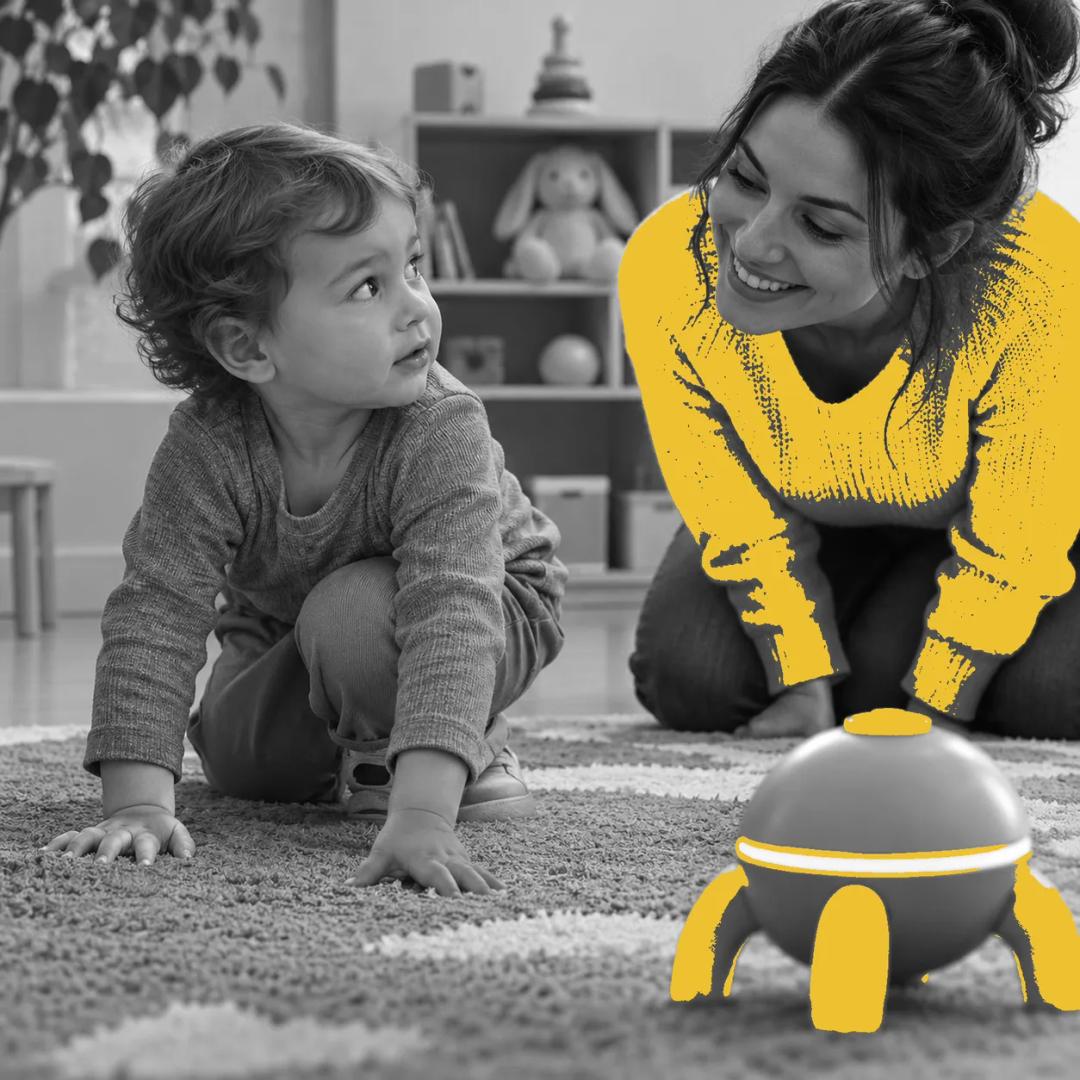
Looking to another person's reaction to decide how to respond to something unfamiliar.
What it is
It is studied most in infants and caregivers: faced with a new toy or a stranger, a child checks a parent's face and adjusts. Vaish, Grossmann and Woodward treat infant social referencing as the clearest evidence that the negativity bias appears early in development, because a fearful or disapproving reaction tends to shape the child's response more than a happy one.
In effect
In the article on negativity bias, it shows the bias at work before language, in how a child reads a caregiver's face.
What it does not say
It describes using another person's reaction as information. It does not say that infants ignore positive signals, and the review treats the early bias as a proposal with predictions still to test.
Sources
- Vaish, A., Grossmann, T., & Woodward, A. (2008). Not all emotions are created equal: The negativity bias in social-emotional development. Psychological Bulletin, 134(3), 383-403.