The ELIZA Effect
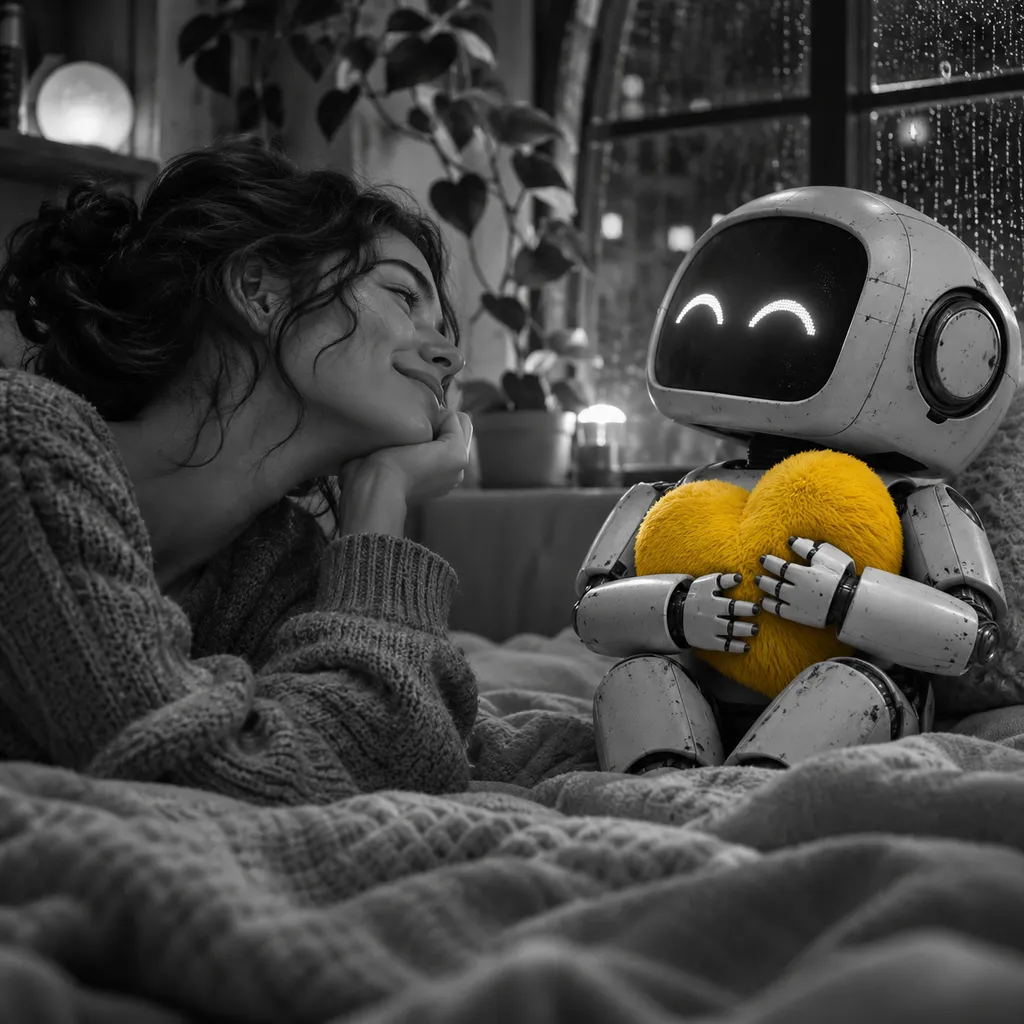
The tendency to attribute understanding and feeling to a computer program that has none.
What it is
The name comes from ELIZA, a 1966 program written by Joseph Weizenbaum that imitated a therapist by matching patterns in a user's sentence and reflecting it back as a question. Weizenbaum was struck by how readily people confided in it while knowing what it was.
In effect
In the article on why we give chatbots a name, the seed book's reading is the opening: Nicholas Carr argues in The Shallows that the conversation test of machine intelligence measures human willingness to see a mind at least as much as it measures the machine.
What it does not say
It is a name for a pattern, not a measured effect, and it does not say how strong the tendency is in any one person.
Sources
- Carr, N. The Shallows.
- Epley, N., Waytz, A., & Cacioppo, J. T. (2007). On seeing human: A three-factor theory of anthropomorphism. Psychological Review, 114(4), 864-886.