The Pain of Paying
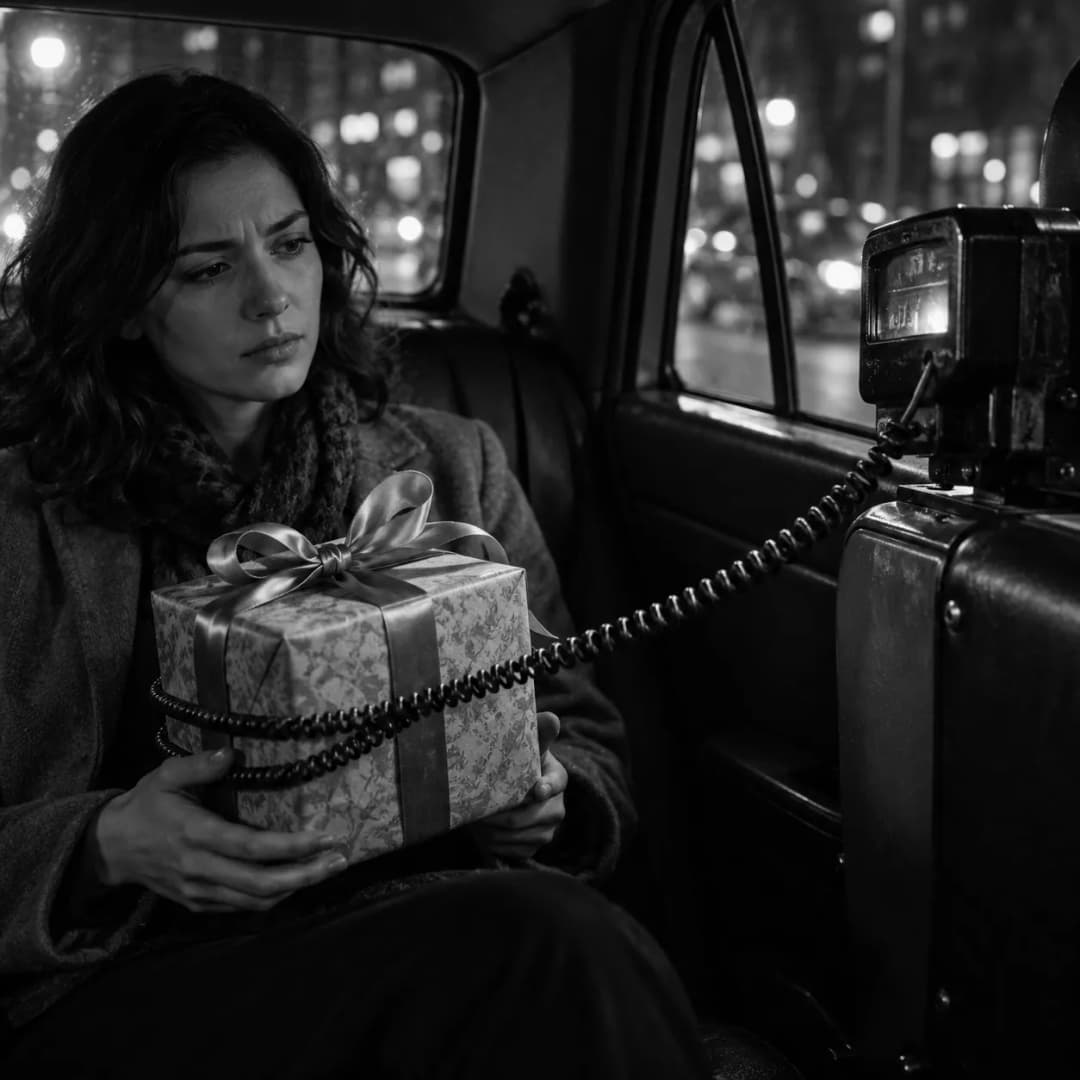
The pain of paying is the immediate discomfort of parting with money, which can spoil the pleasure of what is bought. Drazen Prelec and George Loewenstein set out the idea in 1998. The theory is widely used, but its best-known demonstration, a large card-over-cash premium, has proved smaller and has faded.
What it is
Prelec and Loewenstein's paper in Marketing Science, "The red and the black", concerns the mental accounting people apply to savings and debt. In standard economics the cost of a purchase is whatever else the money could buy. They argued that people also feel an immediate pain of paying; their example is a taxi meter whose ticking takes the shine off the ride. They added the idea of coupling, how strongly paying brings the purchase to mind and the purchase brings paying to mind. Cash couples tightly; credit cards tend to loosen the link. The model predicts a preference for flat-rate deals even when they cost more, and in their surveys it fitted better for 60 per cent of participants against 29 per cent for a standard account.
Richard Shotton's The Choice Factory (Bias 6, The Pain of Payment, pages 41 to 47) argues that the more tangible the payment, the more it hurts, and leads with Prelec and Simester's 2001 auction, which it reports as basketball ticket bids of $61 by card against $29 in cash among 64 MBA students. Its advice to brands is to adopt cashless payment and gift cards, drop currency symbols from menus and use charm pricing.
In effect
Paying in a way that hides the money may make spending feel lighter. The one move with laboratory support for restoring the sting is to add up each item before paying, which shrank the card gap in Priya Raghubir and Joydeep Srivastava's 2008 studies. It has not been tested as a habit.
What it does not say
The 1998 tests support a way of thinking about payment; they leave open whether card payers actually spend more. Yunxin Liu and Siegfried Dewitte did not find a card effect across four studies with 692 people in 2021, and a 2024 meta-analysis of 71 papers by Lachlan Schomburgk and colleagues found a small effect that has weakened over time. A 2021 brain-imaging study by Sachin Banker, Prelec and colleagues leaned towards cards making spending more rewarding, rather than dulling the pain, though it analysed 27 people and was described as exploratory. The 2001 doubling should not be quoted as a current effect size, and Shotton's coffee-shop test is unpublished. The status here is mixed.
Sources
- Prelec, D., & Loewenstein, G. (1998). Marketing Science, 17(1), 4-28. doi:10.1287/mksc.17.1.4.
- Shotton, R. (2018). The Choice Factory. Harriman House. Bias 6, pp. 41-47. Prelec, D., & Simester, D. (2001), Marketing Letters, 12(1), 5-12.
- Raghubir, P., & Srivastava, J. (2008). Journal of Experimental Psychology: Applied, 14(3), 213-225. doi:10.1037/1076-898X.14.3.213.
- Liu, Y., & Dewitte, S. (2021). Journal of Retailing and Consumer Services, 60, 102472. Schomburgk, L., Belli, A., & Hoffmann, A. O. I. (2024), Journal of Retailing, 100(3), 382-403. Banker, S., Dunfield, D., Huang, A., & Prelec, D. (2021), Scientific Reports, 11, 4070.