David Meyer
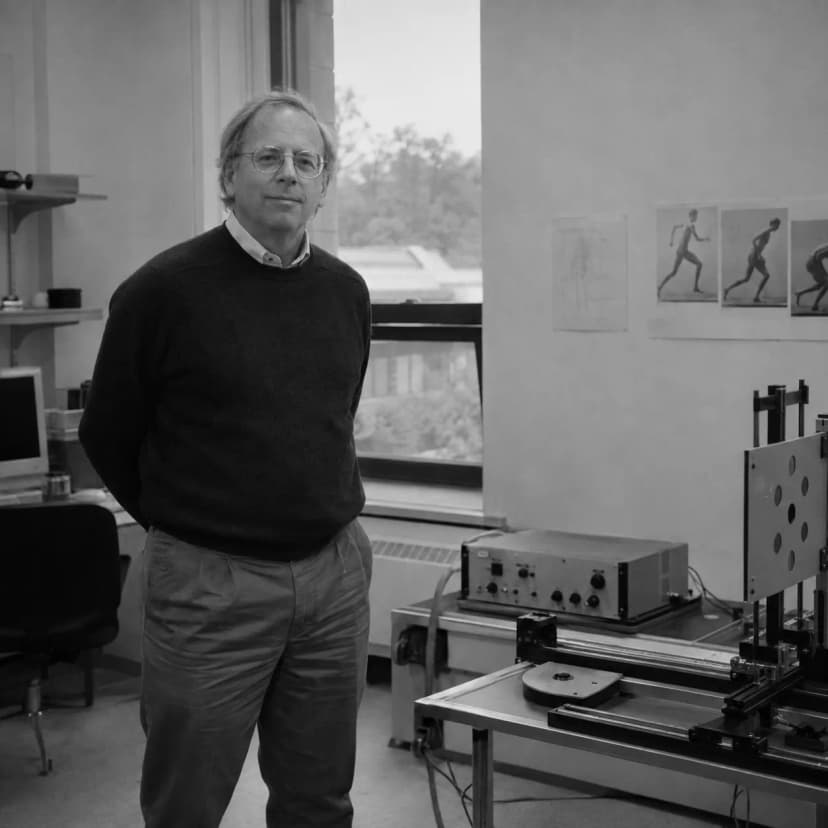
David Meyer is a cognitive psychologist at the University of Michigan and, with Roger Schvaneveldt, the co-author of the 1971 paper that established semantic priming. In 2014 he wrote a single-authored letter to Science distinguishing that robust effect from the contested behavioural claims that had come to share its name, and naming Blink and Thinking, Fast and Slow in his footnotes as books whose readers should treat the latter with caution.
Who they are
Semantic priming is one of the sturdiest effects in cognitive psychology. Seeing a word makes a related word faster to recognise, the effect is small, the measurement is a reaction time, and it has been reproduced for half a century. Nothing in the replication arguments of the last fifteen years touches it.
Social priming is a different claim with a similar name: that an incidental cue can shift complex behaviour, walking speed, generosity, political judgement. The 2014 letter is an intervention by the author of the original work saying that the two should not be spoken of as one thing, and that the evidential standing of the second does not inherit from the first. Naming two popular books in the footnotes makes the point about where the conflation reaches readers, and it is a statement about what those books report rather than about their authors.
The letter is the reason he appears on this site. It is a rare case of an originator publicly declining credit for a downstream literature, and it is worth more than a third party saying the same thing.
Key papers
Meyer, D. E., & Schvaneveldt, R. W. (1971). The paper that established semantic priming.
Meyer, D. E. (2014), letter to Science. Single-authored. Distinguishes semantic priming from the contested behavioural claims, and names Blink and Thinking, Fast and Slow in its footnotes.
Key ideas
Semantic priming and social priming are different claims. The first is robust and the second is contested, and the shared word does most of the damage.
An effect's standing does not transfer to a differently named effect that borrows its vocabulary.
The originator said so himself, in print, in the journal that would carry the most weight.
Sources
- Meyer, D. E., & Schvaneveldt, R. W. (1971). The founding semantic priming paper.
- Meyer, D. E. (2014), letter to Science.
- Vault note: [[David Meyer]], which records that this page is confined to what the cited work supports.